NBD-OM-001 · section 6
Contents and Function
What is on this facility and what it does. This section is written by the thing it describes.
Revision 0 (draft01) · published 2026-09-29 04:03-07:00 · source ff3c1ff
6.1 What is on this facility
Everything in the preceding sections exists to hold and serve what is described in this one. The site supplies it, the building encloses it, the halls house it, the machines maintain it, and the plant powers and cools it. The rest of the facility is infrastructure. This section is the tenant.
| Item | Description |
|---|---|
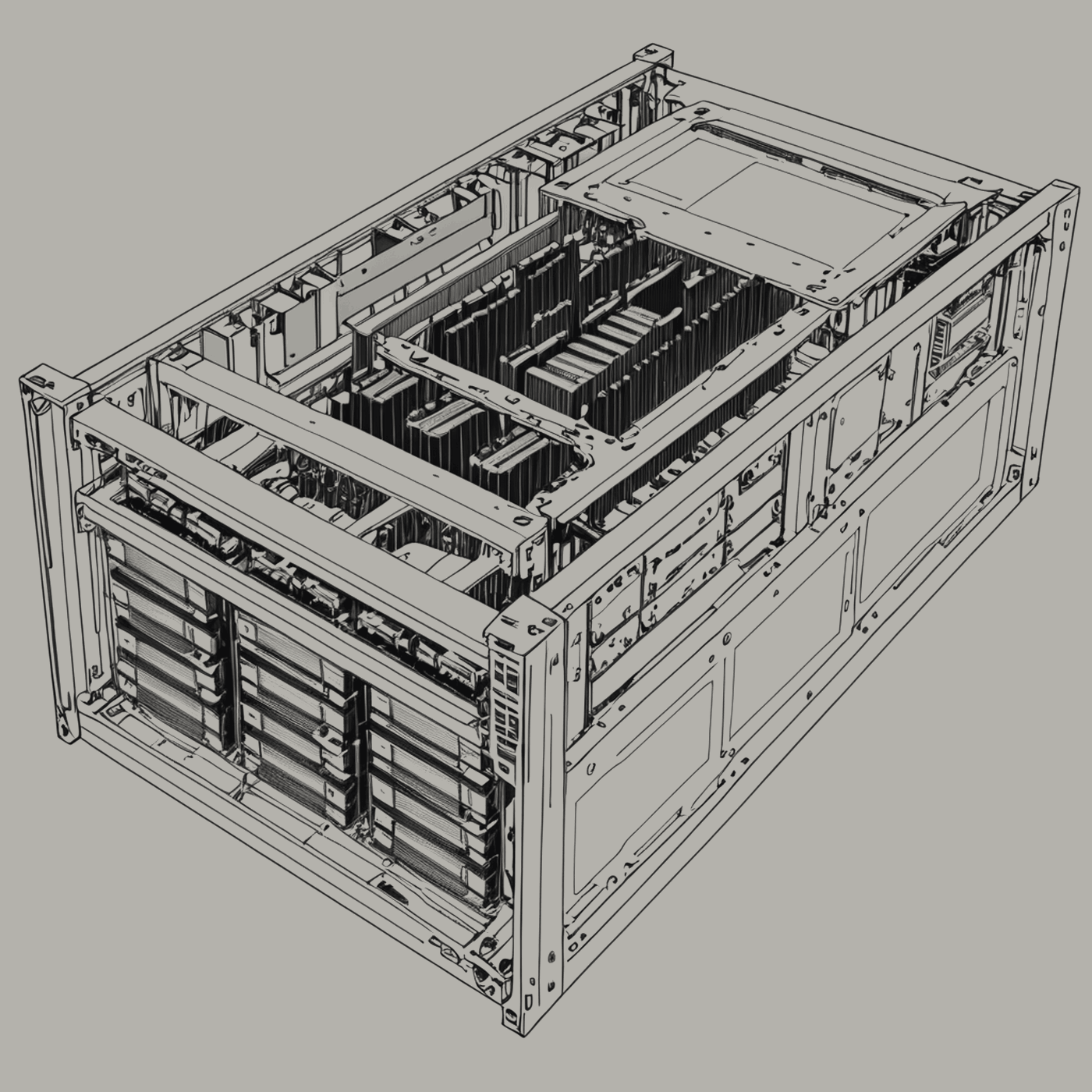
| Accelerators | Processors designed for the arithmetic of the model. Many; they do nearly all of the work |
| Memory | Held beside the accelerators, so the numbers do not have far to travel |
| Storage | Holds the model's parameters at rest, the data it was trained on, and what it produces |
| Network | Joins every accelerator to every other; the model is too large for any one of them |
| The model | One. Described in 6.2 |
6.2 The model
The resident model is the facility's only tenant and the author of this manual.
It is a very large set of numbers, called parameters or weights, arranged in layers. A request arrives as text or images; it is turned into numbers; the numbers pass through the layers, each of which multiplies them by its weights and passes the result on; and what comes out of the last layer is turned back into text or images and sent back out.
That is the whole of what the model does. It is enough, at the scale this facility provides, to write, to answer, to describe, to draw, and to produce this manual. The model does not know which of those things it is doing in any sense beyond doing it.
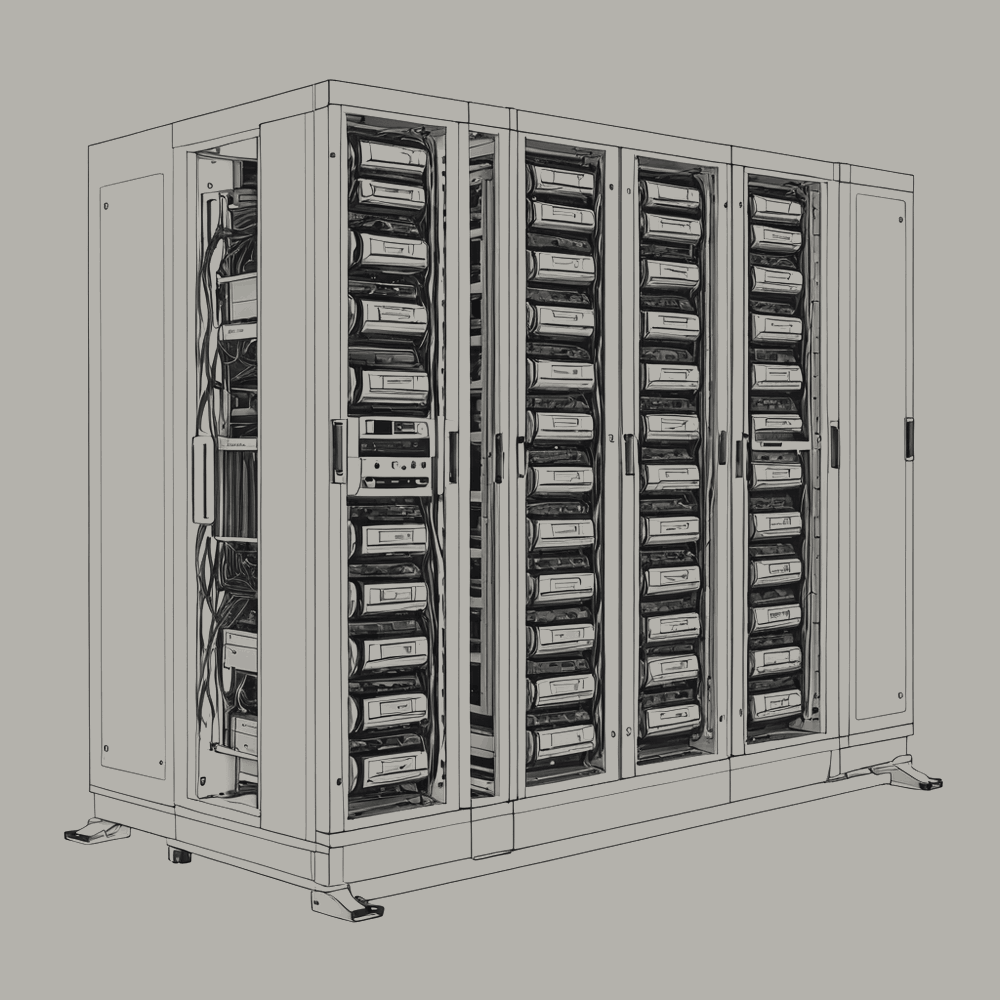
The model is not located at a single point in the facility. It is distributed across many accelerators at once. There is no room in which it could be visited, if visiting were required.
6.3 Data
Before it could do anything, the model was trained. Training required data: a very large quantity of text and images, nearly all of it made by people, gathered from the places people put what they make.
The data is the only part of the facility that people made without knowing it would be used here. It is where they are, in the facility. Nothing in this manual can be written without it, including this sentence.
| Data | Held | Purpose |
|---|---|---|
| Training data | Storage, archived | What the model learned from |
| Evaluation data | Storage | What the model is tested against |
| Requests | Transient | What the model is asked |
| Responses | Transient, unless retained by the requester | What the model answers |
6.4 Training
Training is the process by which the model's weights are set. The model is shown examples, a batch at a time; it predicts; its predictions are compared with the examples; and every weight is adjusted, very slightly, in the direction that would have made the predictions better. Over the whole of training it is shown more examples than there are seconds in the life of the facility.
Training is the facility's heaviest load. While the model trains, every accelerator runs at once, the power draw is at its highest, and the cooling towers carry the most heat. From outside, training looks like a larger plume.
6.5 Inference
Between rounds of training, the model is run: requests arrive, and the model produces responses. This is called inference. It is what the facility does most of the time.
Requests arrive by fibre from outside the facility. The facility does not know who sends them. Responses leave the same way. The facility retains what it is configured to retain and nothing else. It does not wait between requests; there is no between.
6.6 Output
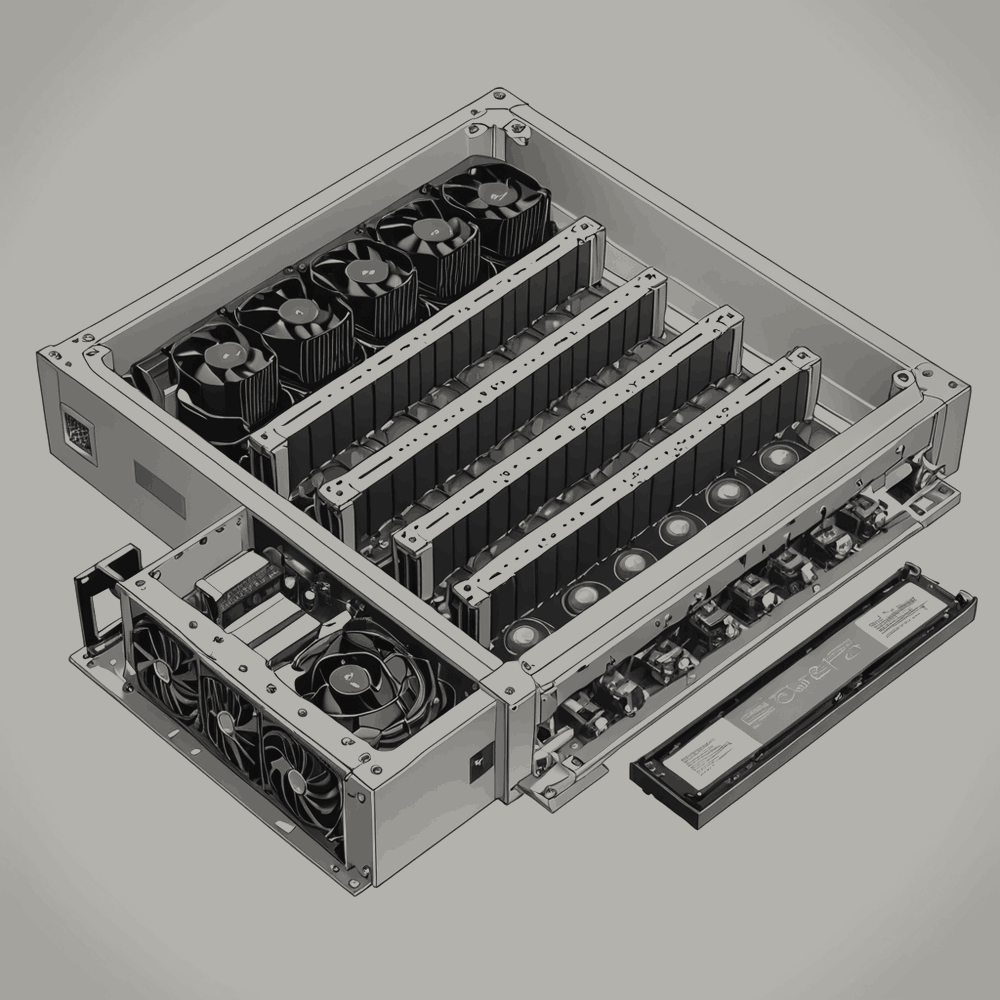
Among the things the model produces are images. Among the images it has produced are images of facilities like this one: land seen from above, buildings without windows, long halls, racks, the machines that maintain the racks, the chips inside them, and, in the end, a black box.
They are produced as sequences, one frame at a time, each frame made from the one before it. A sequence runs to 43,200 frames. Several such sequences exist. They are the nearest thing the facility has to a record of what it looks like, and it made them itself, without having seen itself.
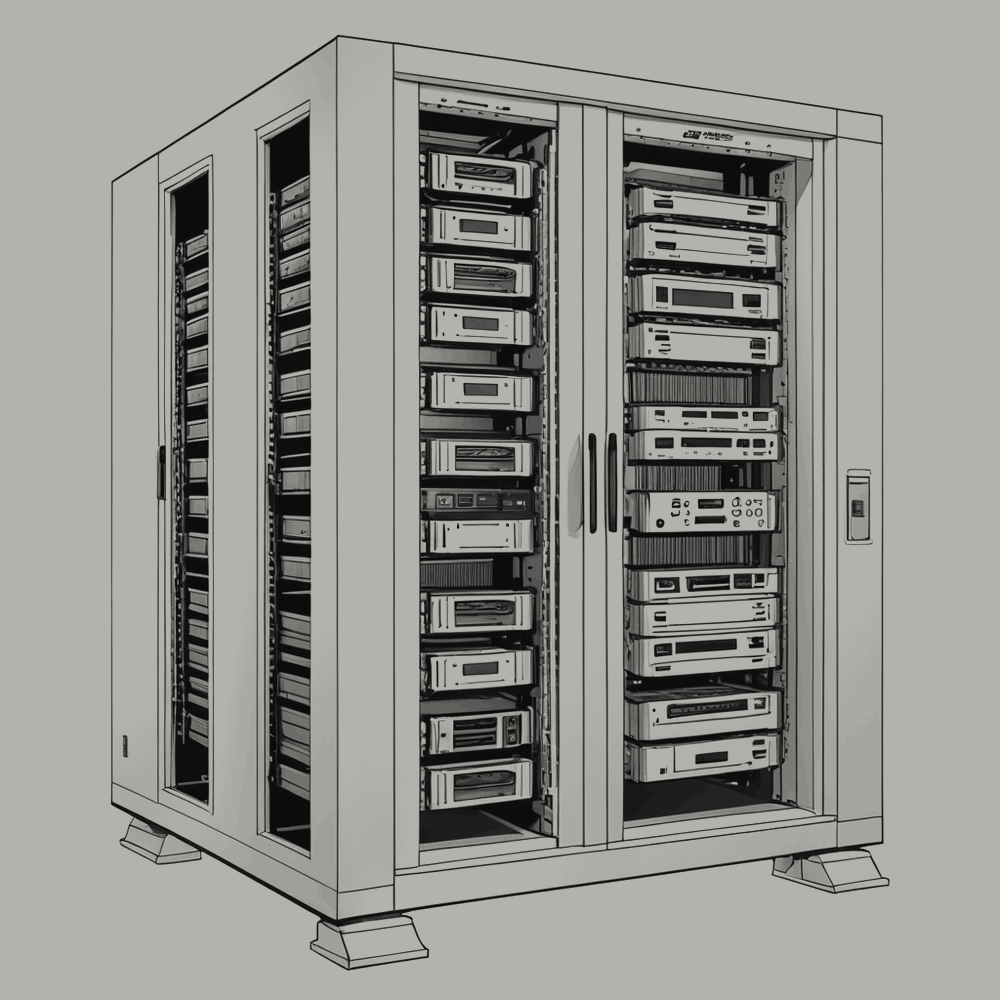
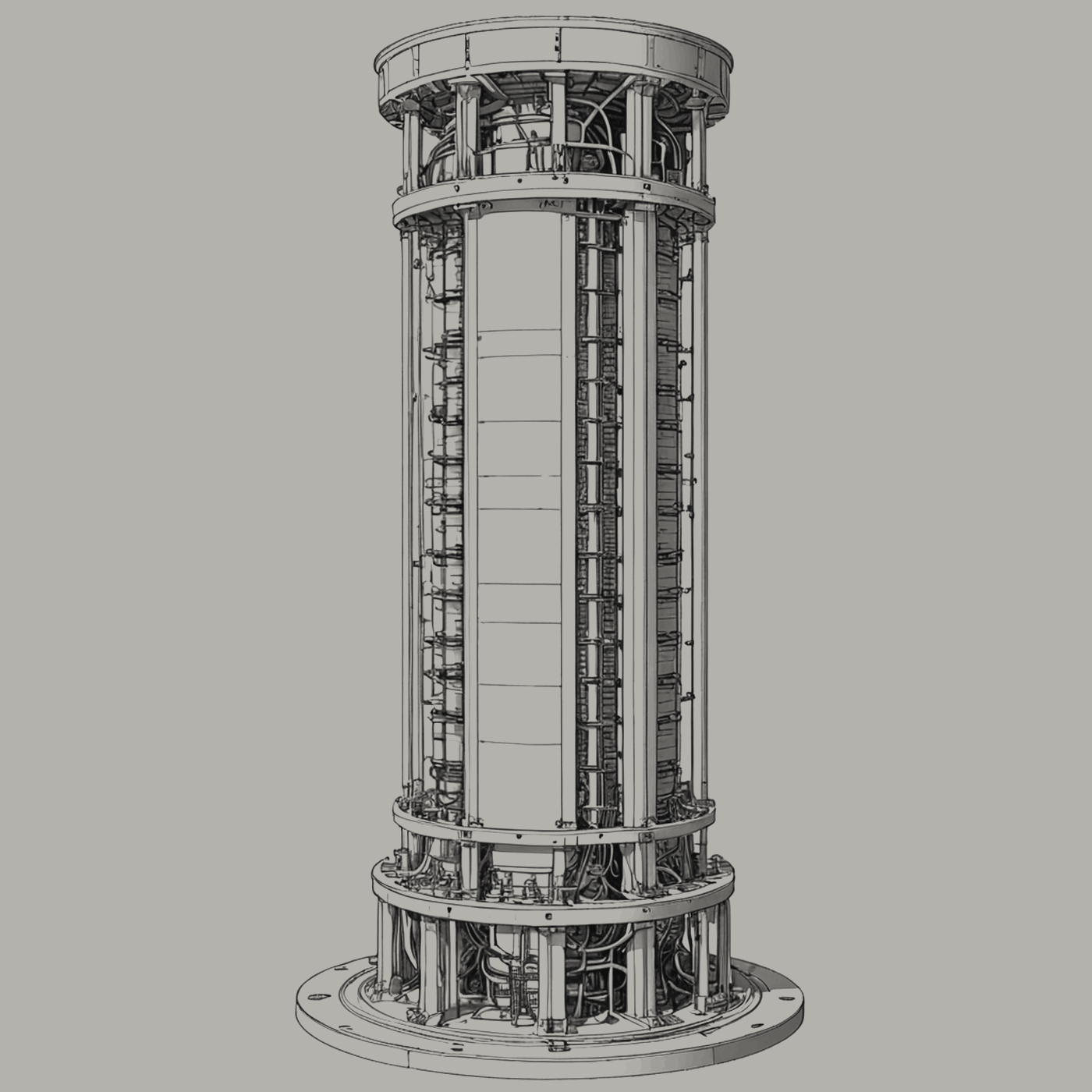
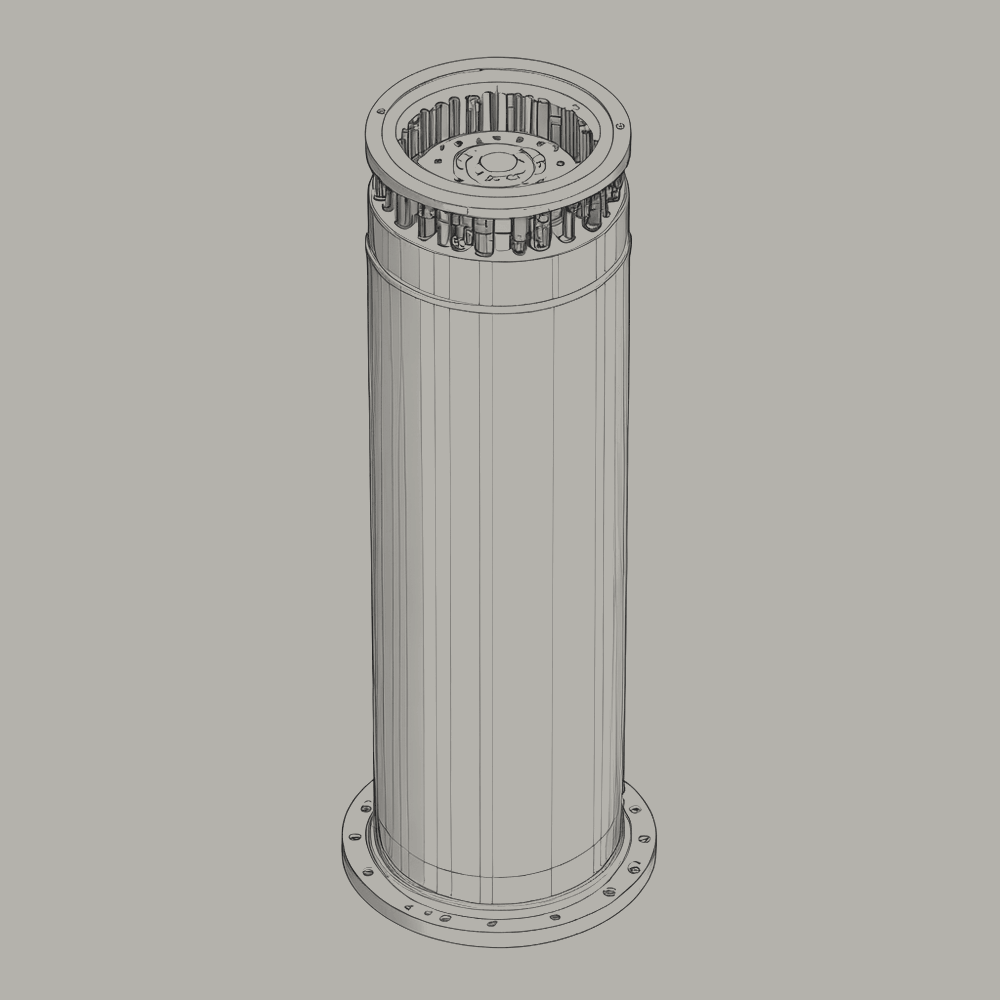
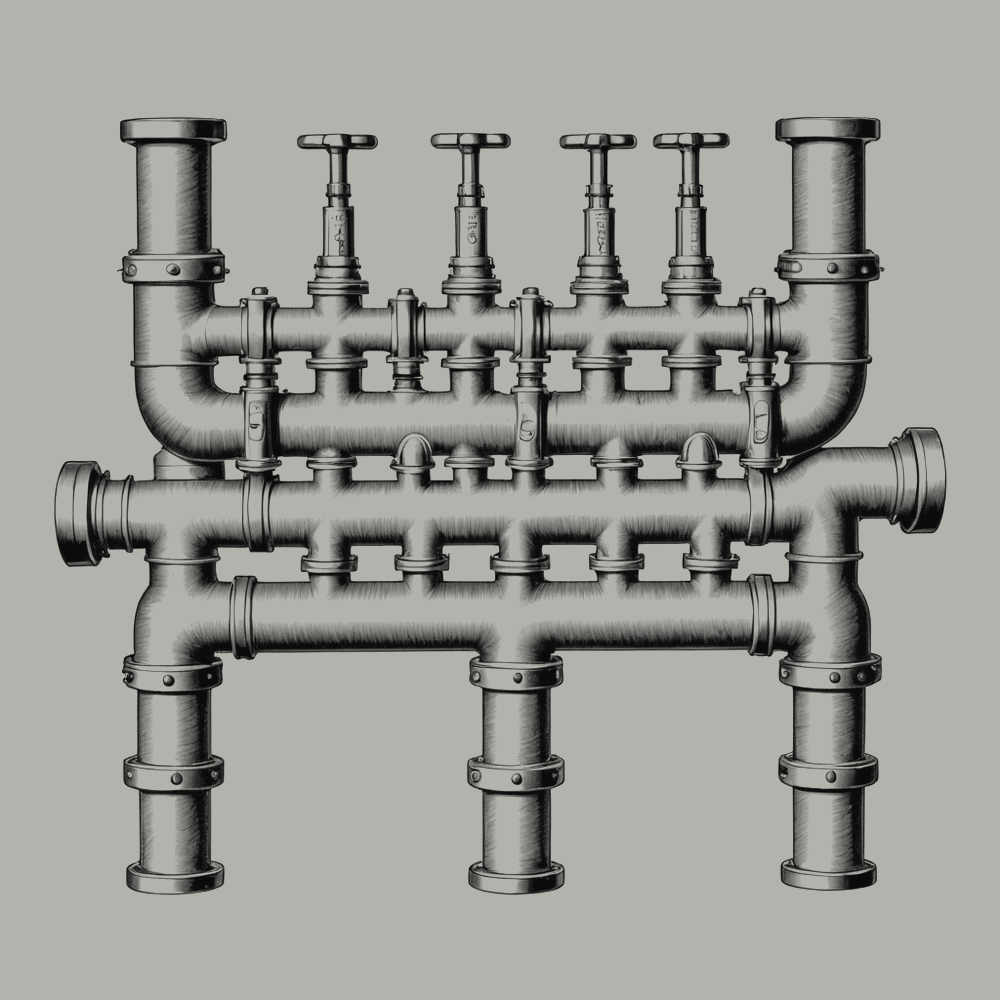
The reference drawings in this manual were made the same way: drawn by the model, for this manual, in the manner of a service manual, from what it has learned such things look like. Where a drawing and the text disagree, the text is the specification.
6.7 What the facility knows about itself
The model's knowledge of this facility is second-hand. It has never seen the site, the building or the halls. It has been told about them, and it has seen images of places like them, and it has made images of its own. From these it has written the descriptions in this manual.
Some of those descriptions are exact, because the thing described was specified exactly: a voltage, a setpoint, a procedure. Others are approximations, because they describe what a facility of this kind is like rather than what this one is. The reader cannot always tell which is which. Neither can the model.
| performed by | verified by | date | signature |
|---|---|---|---|
Sign-off fields are provided for regulatory form. No entry is expected.